
Land
Arrive on your first flight.

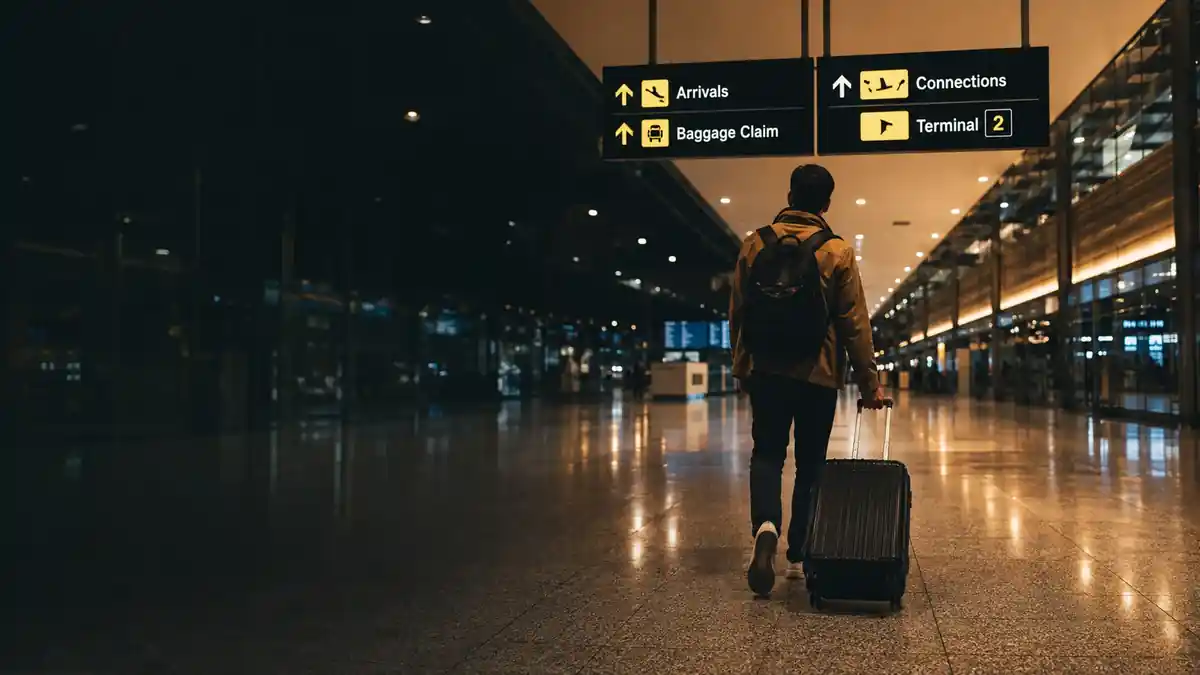
Separate-ticket connections, clearly explained
Two tickets. One connection. Your risk.
A self-transfer means your flights are not protected as one itinerary. You may need to enter the country, collect bags, check in again and pass security before the next flight.
How a self-transfer works01 / PROCESS
Treat the connection as the end of one trip and the beginning of another.
Arrive on your first flight.
Meet entry or transit requirements.

Collect checked bags when required.

Check in and re-check bags for flight two.

Pass security and border controls again.

Reach the gate before boarding closes.
02 / TICKET RISK
One ticket or protected itinerary
Bags often transfer automatically
Airline normally handles rebooking
Connection times are validated
Two separate tickets
You may collect and re-check bags
You carry the delay risk
Entry permission may be required
With a self-transfer, you are your own connection.
03 / PLAN THE BUFFER
Select everything your connection involves.
Combine the risks for a more realistic recommendation.04 / TIME
 2hRisky
Tight for self-transfer. No room for delays.
 3hBasic
Possible only with simple same-airport steps.
 4hRecommended
A stronger baseline for bags and border steps.
 5hComfortable
More room for queues, delays and terminal changes.
 6h+Low risk
Best for airport changes or complex arrivals.
05 / FAILURE MODES
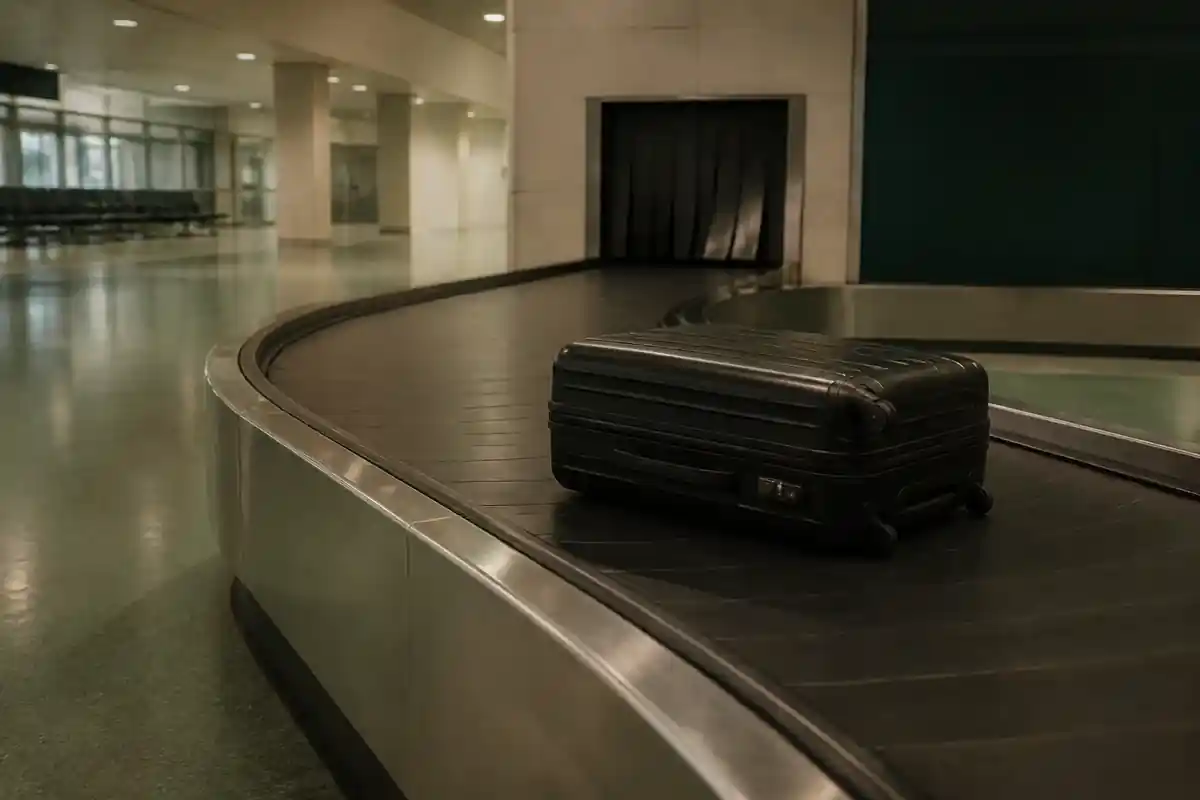
Your bag may not arrive before check-in closes.
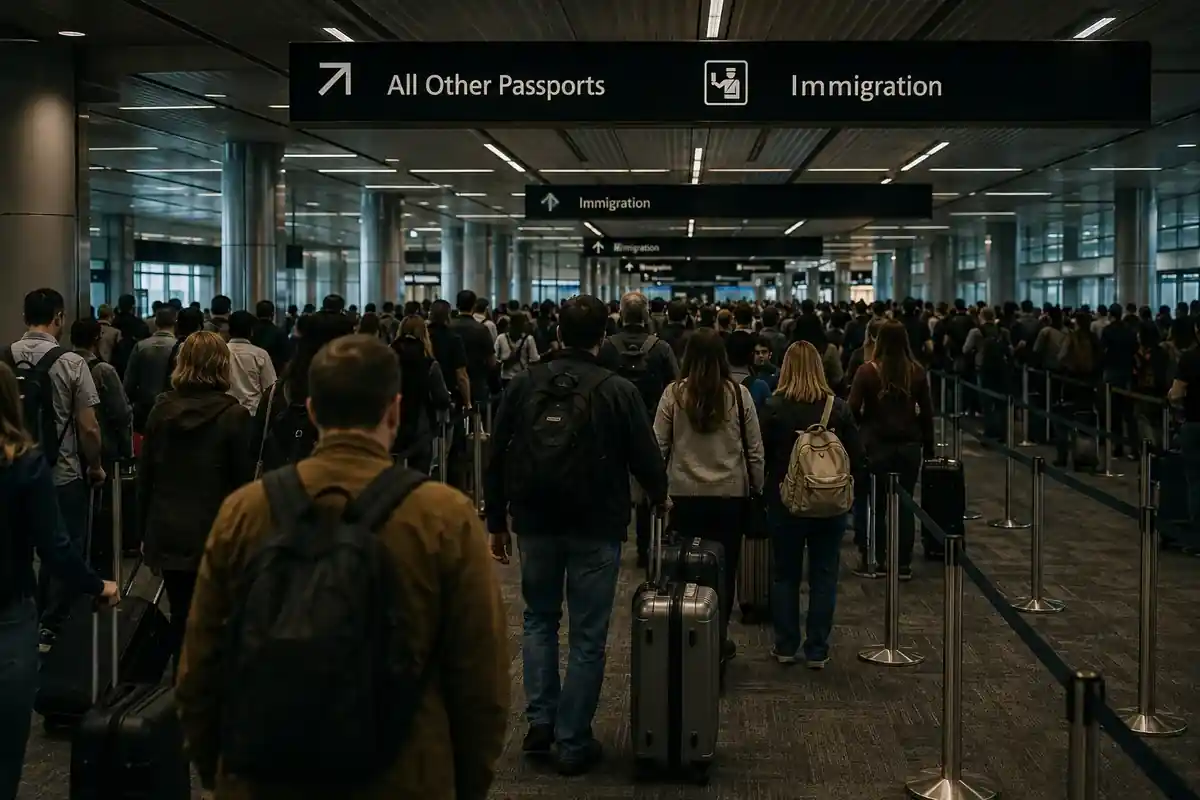
Long queues or document checks consume the buffer.
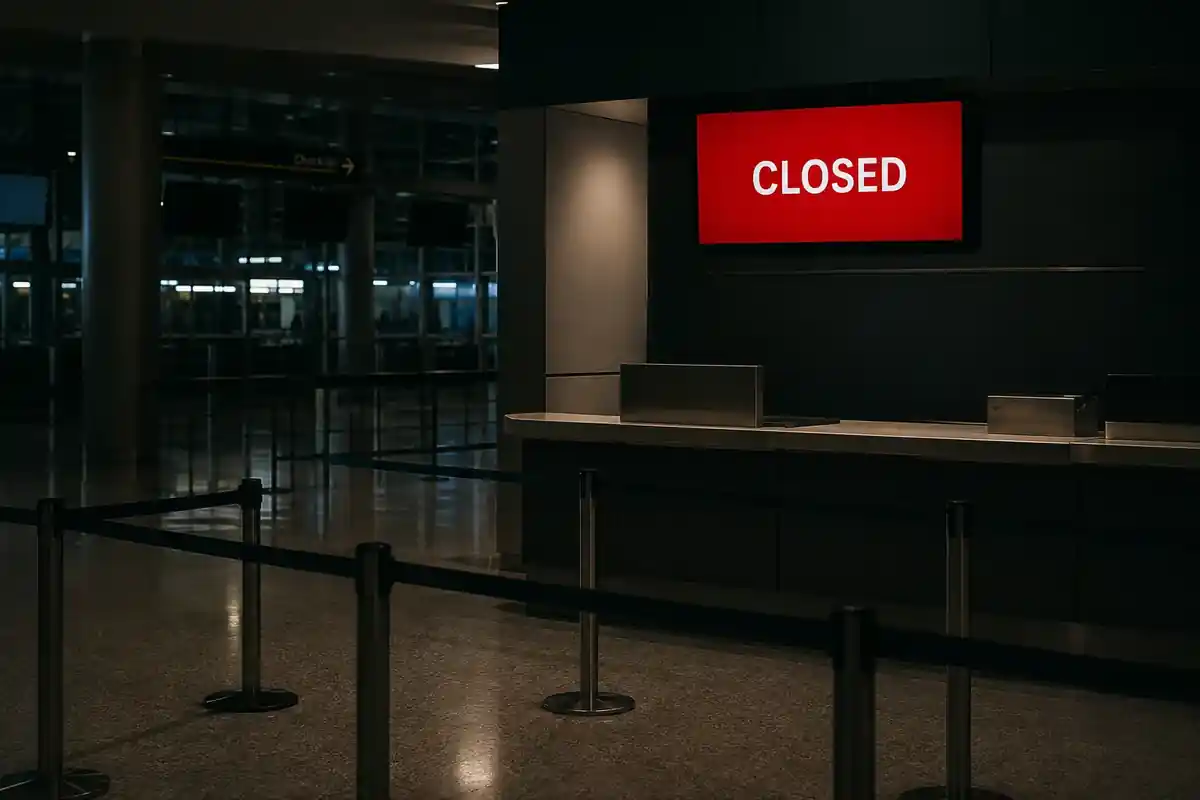
The airline can close bag drop before departure.

The second airline may treat you as a no-show.
06 / RECOVERY
Ask about rebooking, standby or fare options.
Keep boarding passes and delay evidence.
Some policies or cards cover missed connections.
Save receipts and written airline responses.
FLIGHTBREAK PLANNER
Use FlightBreak to inspect your airports, terminal changes and the time you actually have between flights.
07 / BEFORE YOU BOOK
□Confirm whether entry permission or a transit visa is required.
□Check terminal and airport changes.
□Read baggage and check-in deadlines on both tickets.
□Allow a conservative buffer, not the booking site's minimum.
□Prepare a backup plan for a delayed first flight.
□Keep airline contacts and travel insurance details.
08 / FAQ
It is a type of connection made with separate tickets. Unlike many protected layovers, you usually carry the risk between flights.
Do not assume so. Confirm with both operating airlines; you may need to collect and re-check them.
Usually you do, unless an airline agreement, booking guarantee, insurance or applicable law provides protection.
You may need entry permission if baggage collection, check-in or an airport change takes you landside.
Yes, but you may still need immigration, baggage reclaim, check-in and security.