Direct Airside Transit visa
Stay in the transit area
- Arrive in the UK
- Follow flight connections
- Board the onward flight

Border & transit guide
Know which side of the border your connection uses.
Your nationality matters, but the first practical question is simpler: will your UK connection remain airside or pass through border control?
The route determines the visa
Ask the operating airline whether your connection crosses UK border control. Airport, terminal, baggage and ticket arrangement can all change the answer.
Direct Airside Transit visa
Visitor in Transit visa
Your airline can confirm whether the connection crosses the UK border. Ask specifically about baggage, terminals, airport changes and whether the transfer route remains airside.
Three checks, in order
Do not infer the answer from connection time alone. The official checker combines your nationality with the route and documents you hold.
Passport nationality determines whether a visa is normally required for transit.
Open the official checkerConfirm whether the connection is genuinely airside or requires UK border control.
See landside triggersAn ETA, existing UK permission or qualifying exemption document may change the answer.
Read the official overviewCurrent official figures
Fees can vary slightly by application country and rules can change. Recheck the live GOV.UK pages before paying.
Published application fee.
Published application fee.
Usually, after application steps are complete.
Check the Standard Visitor visa route.
The official application path
Both UK transit visa routes are applied for online. The exact form follows the answer from the official checker.
Confirm whether you need a visa and which route applies.
Complete the official application and pay the current fee.
Visit a visa application centre with your passport.
Carry your permission and supporting documents.
The common border triggers
If any of these apply, plan for a UK border crossing unless your airline confirms a different protected transfer process.
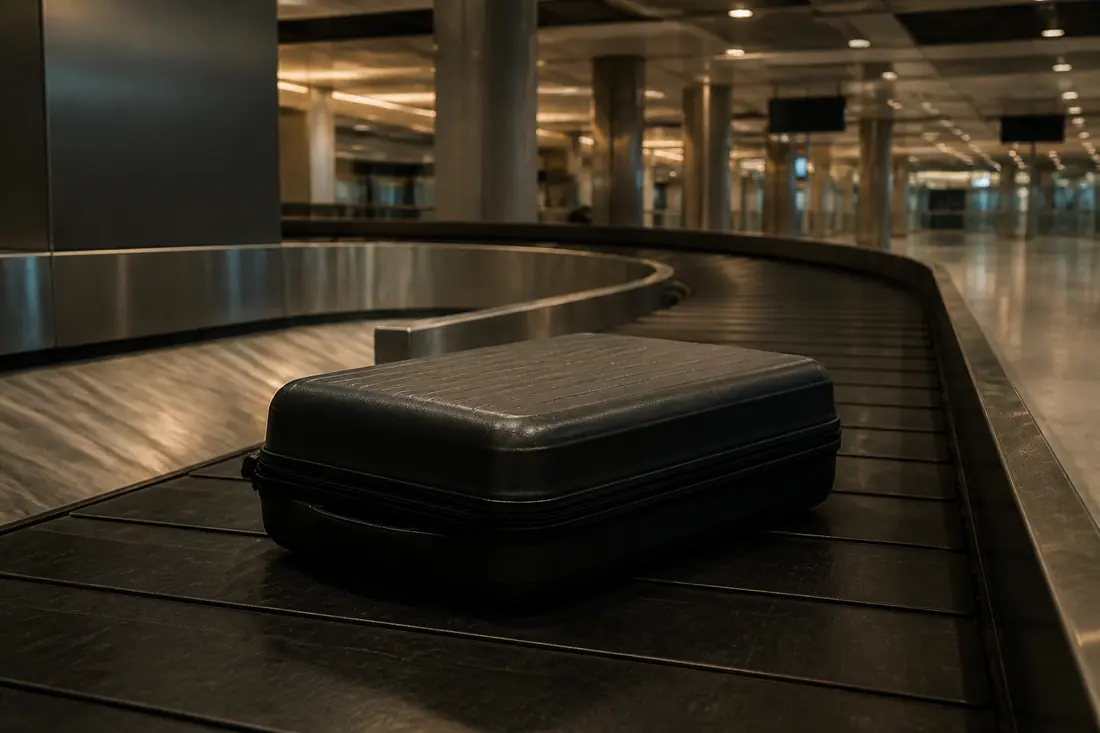
Baggage reclaim normally sits beyond UK border control.
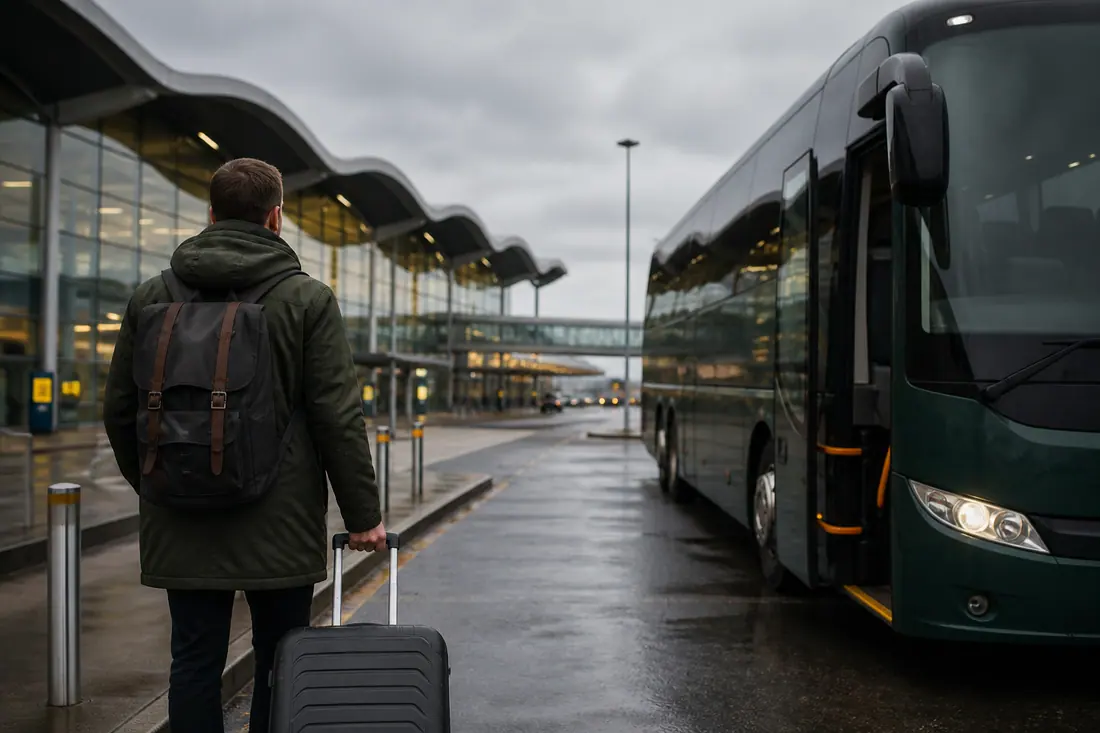
Moving between airports means entering the UK.
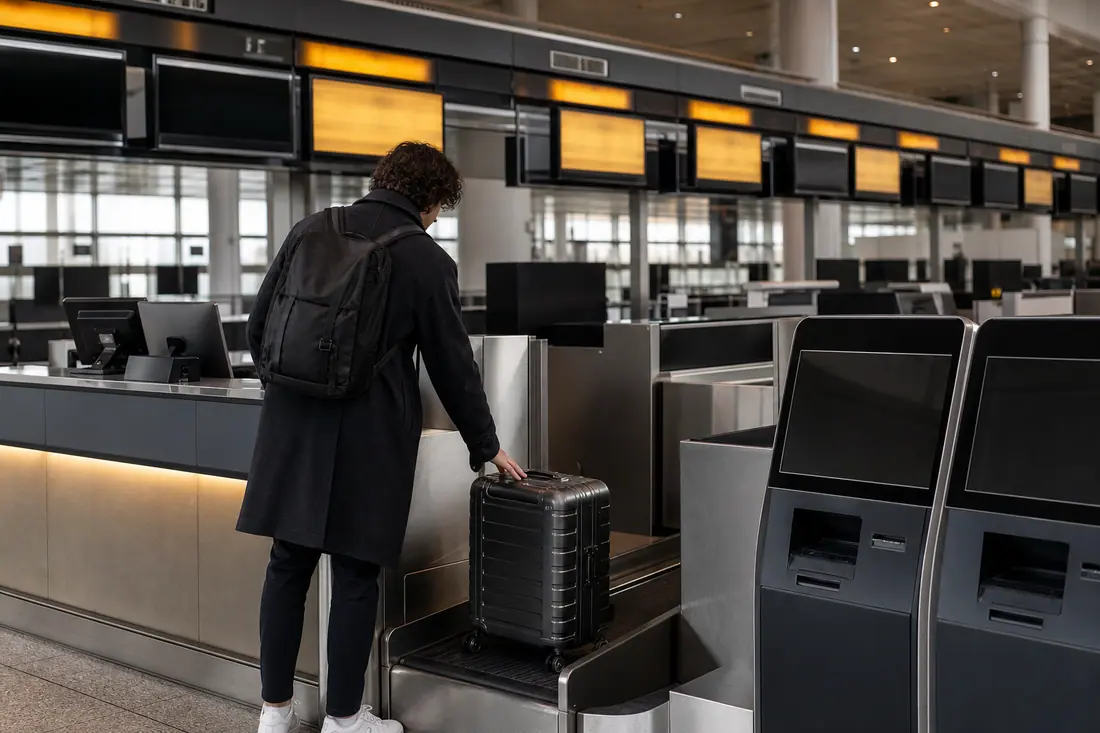
A new bag drop or check-in desk may require landside access.
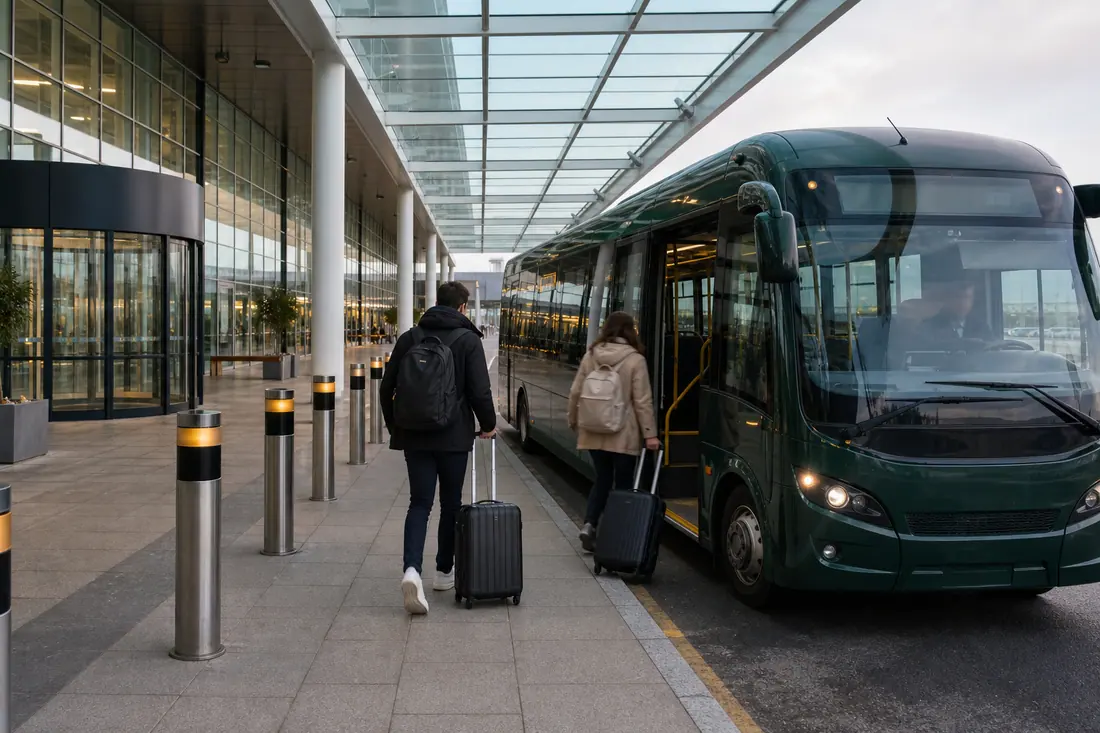
Some terminal routes require passengers to cross the border.
Clear answers, no shortcuts
Possibly. Some nationalities need a Direct Airside Transit visa even when they do not pass through UK border control. Use the official GOV.UK visa checker for your passport and route.
A Direct Airside Transit visa is for a connection where you remain airside. A Visitor in Transit visa is for a connection where you pass through UK border control and leave the UK within 48 hours.
Usually, yes. GOV.UK lists collecting baggage for a connecting flight as an example of going through UK border control. Confirm the exact baggage process with the operating airline.
Changing airports requires you to enter the UK, so it is a landside connection. Whether a Visitor in Transit visa, another visa, an ETA or an exemption applies depends on your nationality and documents.
The Visitor in Transit route is for travelers leaving the UK within 48 hours. If you need to stay longer, GOV.UK says to use the Standard Visitor route instead.
GOV.UK says a decision is usually made within 3 weeks after the application and visa-application-centre steps are complete. Apply early and check the current processing guidance.
Primary sources only
Visa types, border definitions, fees, documents and timing were checked against current GOV.UK pages. UK transit rules are nationality- and route-specific.